Welcome to Auditory Processing Disorder
“Auditory Processing Disorders” was first published in January 2005 by The American Speech-Language-Hearing Association (ASHA). In its very broadest sense, Auditory Processing Disorder refers to how the central nervous system uses auditory information. It is a disorder that delays or disrupts the processing of auditory information. Affecting around five percent of young children, this condition prevents their young ears and brain to fully coordinate because of interference so they cannot process what they hear adequately.
Auditory processing disorder (APD), rarely known as King-Kopetzky syndrome or auditory disability with normal hearing (ADN), is an umbrella term for a variety of disorders that affect the way the brain processes auditory information. Individuals with APD usually have normal structure and function of the outer, middle, and inner ear (peripheral hearing). However, they cannot process the information they hear in the same way as others do, which leads to difficulties in recognising and interpreting sounds, especially the sounds composing speech. It is thought that these difficulties arise from dysfunction in the central nervous system.
Auditory Neuropathy
From Wikipedia, the free encyclopedia:
Auditory Neuropathy (AN) is a hearing disorder in which the outer hair cells of the cochlea are present and functional, but sound information is not transmitted sufficiently by the auditory nerve to the brain. Hearing loss with AN can range from normal hearing sensitivity to profound hearing loss.
Auditory Neuropathy Spectrum Disorder From Wikipedia, the free encyclopedia
Auditory neuropathy spectrum disorder (ANSD) is a specific form of hearing loss defined by the presence of normal or near-normal otoacoustic emissions (OAEs) but the absence of normal middle ear reflexes and severely abnormal or completely absent auditory brainstem response (ABRs).
Individuals presenting with this recently recognised hearing loss appear to display sporadic windows of hearing and not. Very few (1 in 14) will go on to develop normal speech and language but with poor speech perception in background noise and in others, no speech perception and therefore language development is possible.
The condition was originally termed auditory neuropathy (AN) and in 2001 as Auditory Neuropathy / Auditory Dys-synchrony (AN/AD) (to include those cases where no true neuropathy was apparent). In 2008 at a meeting convened at Lake Como in Italy (Guidelines Development Conference on the Identification and Management of Infants with Auditory Neuropathy, International Newborn Hearing Screening Conference, Como, Italy, June 19–21, 2008), a group of leading authorities on the condition reached a consensus and renamed it as auditory neuropathy spectrum disorder
Auditory Processing Disorder can be either neurologically based, or the result of head injury or ear infections. It is sometimes mixed up and can be misdiagnosed as autism as it shares some of the symptoms. Confusion and following instructions can be the first indication. Some signs show up in the early grades when children are expected to become listeners. But because not all children develop all their skills at the same time, most audiologists advise waiting until the child is 7 or 8 years old. List of common signifiers of Auditory Progressing Disorder can present in teenagers and adults, it isn’t hard to see how it could so easily apply to almost anyone:
- Speaking louder than necessary;
- Inability to distinguish between similar sounds;
- Mispronouncing some words;
- Difficulty remembering lists and sequences;
- Often needs words or sentences repeated;
- Poor ability to understand oral instructions;
- Frustration that comes out as anger;
- Interpretation of words too literally;
- Difficulty hearing clearly in noisy environments;
- Some inability to concentrate and focus;
- Have some trouble with reading;
- Issues with short-term memory.
There are other conditions that can affect a person’s ability to understand auditory information. People with cognitive impairments, ADHD, emotional or anxiety issues, and self-regulation inconsistencies may well have inadequate listening skills. However, in these cases, and unlike APD, the neural processors for auditory input are completely intact.
Early diagnosis is key. Some pediatricians catch these signs on child’s the first few visits. Then tests are performed when the child is able to comprehend instructions. It’s also often referred to as APD or the more commonly known CAPD: Central Auditory Processing Disorder. And because these children have trouble interpreting sounds, they can also have some difficulty with some similar speech sounds. Noisy places can be tricky and even the smallest inflection between sounds in words can be problematic. It is imperative to rule out other conditions first, to be completely sure.
It’s important to know that there is no single, cure-all for successfully treating APD. With its range of complexities and symptoms, the approach must be highly individualistic and deficit-specific. What is fundamentally agreed upon is that correct and accurate diagnostic analysis is the exclusive domain of a certified audiologist. But even children already tested at 7 or 8 are advised to get tested again to confirm the diagnosis as a lot of other factors can lead to the earlier diagnosis.
More Information:
To find more info on APD / CAPD check out:
Technologies helping kids with CAPD
Site Created By:
Additional Health Links:
Emergency Dentist During Covid-19
Get in Touch
We love to hear it from you!
APD Contact Inquiry
You Might Also Be Interested In
How Does the Brain Interpret Sound?
Those of us who have normal hearing would hardly ever think about how we process sound, but like most things about our bodies, it is a fascinating line of inquiry. It is often the case that we don’t bother about things until they malfunction in our lives or the life...
Sounds Inside Our Sensory Universe
Have you ever thought about how important sound is to your life? Have you ever imagined being deaf? Sounds energise our sensory universe. They fill our lives with music. Sounds warn us about dangers. Spoken language is our primary form of communication. We share...
Parenting My Child Who Has ADP
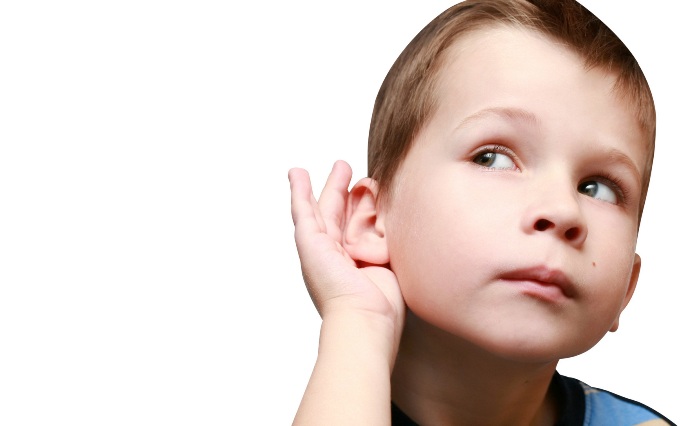
Auditory processing disorder (APD) affects at least five percent of school-aged children around the world. This condition makes it difficult for them to identify the variations of sounds in words. Moreover, APD interferes with how the children process what other...

Dyslexia Symptoms What You Need To Know
A common misconception a huge number of individuals have to people who struggle to read is that they are inept or illiterate. With that being said, there are a number of factors that lead to reading disability. One of them is dyslexia which is known as a reading...
Teaching Eco-Values to Kids with Learning Disabilities
Whoever we are and whatever our circumstances we can all benefit from learning eco-values; it is our shared planet after all. Our environment directly impacts upon our communities right around the world. You cannot have one without the other. Life is dependent upon a...
Dyslexia: Understanding the Cause and Treatments
free instagram followermake up wisudamake up jogjamake up prewedding jogjamake up wedding jogjamake up pengantin jogjaprewedding jogjaprewedding yogyakartaberita indonesiayogyakarta wooden craft